
From Pixels to Prognosis: Deep Learning in Medical Imaging for Disease Detection
Introduction
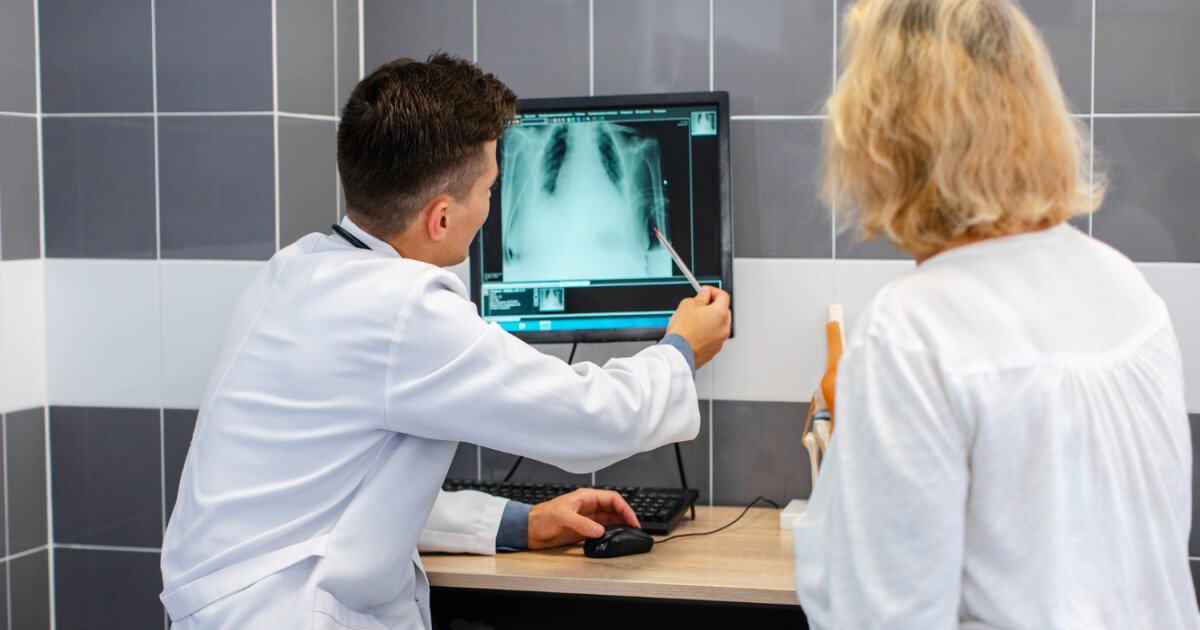
Medical imaging plays a vital role in modern healthcare. It helps doctors diagnose conditions, plan treatments, and monitor disease progression. Over the past decade, technology has changed how we analyse these images. In particular, deep learning—a branch of Artificial Intelligence (AI)—has transformed the process. As a result, healthcare professionals can now detect diseases faster and with greater accuracy. This article, therefore, explores how deep learning is reshaping medical imaging and how it may transform global healthcare in the years ahead.
The Need for Innovation in Medical Imaging
Medical imaging techniques such as X-rays, CT scans, MRI, and ultrasound generate vast amounts of data every day. However, interpreting these images still depends on skilled radiologists. In many cases, this task is slow and prone to error.
Moreover, hospitals in resource-limited areas often face a shortage of trained professionals. Consequently, delays in diagnosis can have serious effects on patient outcomes.
Here, deep learning offers an important opportunity. It automates image analysis with precision, speed, and consistency. By doing so, it supports radiologists rather than replacing them, and helps healthcare systems scale diagnostic capacity worldwide.
What is Deep Learning?
Deep learning is a branch of machine learning that uses artificial neural networks to model and understand data. These networks are inspired by the human brain and contain many connected layers that learn from data step by step. In medical imaging, deep learning models are trained to identify shapes, textures, and patterns. They can detect small abnormalities that might be missed by the human eye, making them invaluable for disease diagnosis.
Applications of Deep Learning in Medical Imaging
- Early Detection of Diseases: Deep learning can spot subtle changes in images that humans might overlook. For instance, Convolutional Neural Networks (CNNs) have achieved high accuracy in detecting early-stage cancers such as breast cancer in mammograms and lung cancer in CT scans.
- Segmentation and Localisation: Advanced models can mark and separate regions of interest in an image, like tumours or organs, thus helping in surgical planning, radiotherapy, and tracking disease progression.
- Prediction of Disease Progression: Beyond diagnosis, deep learning can analyse sequences of images to predict how diseases like Alzheimer’s or diabetic retinopathy may evolve over time.
- Personalised Treatment Planning: By combining imaging data with clinical records, deep learning supports individualised care. For example, algorithms can assess tumour characteristics to recommend the best treatment options.
Key Benefits of Deep Learning in Medical Imaging
- Improved Accuracy: In some cases, deep learning systems outperform human experts, reducing diagnostic errors.
- Efficiency: Automation speeds up the process, enabling quicker diagnoses and faster treatment decisions.
- Scalability: Once trained, models can process thousands of images rapidly — ideal for large-scale screening programs.
- Accessibility: AI-powered tools can bridge gaps in regions lacking radiologists or medical infrastructure.
Challenges and Ethical Considerations
Integrating deep learning into medical imaging holds significant promise, but it also presents several challenges:
- Data Quality: Effective training requires large, high-quality labeled datasets.
- Interpretability: These models are often “black boxes,” making it difficult to explain their decisions.
- Regulation: AI systems must comply with strict clinical and ethical standards.
- Bias and Fairness: To avoid unfair outcomes, datasets must reflect diverse populations.
- Ethics and Privacy: Patient data must always be handled securely and responsibly.
The Road Ahead
The future of deep learning in medical imaging is bright. New approaches like federated learning allow hospitals to collaborate without sharing private data. Integrating multimodal information — images, text, and clinical data — will further boost diagnostic accuracy. Partnerships between AI researchers, clinicians, and industry leaders will be key to turning innovation into clinical practice, however, regulatory frameworks must evolve alongside these breakthroughs to ensure patient safety and trust.
Conclusion
Deep learning is fast becoming an essential ally in medicine. It helps detect diseases early, supports treatment planning, and improves patient outcomes.
As this technology matures, its role in medical imaging and global healthcare will only grow — bringing us closer to faster, fairer, and more precise diagnosis worldwide.
